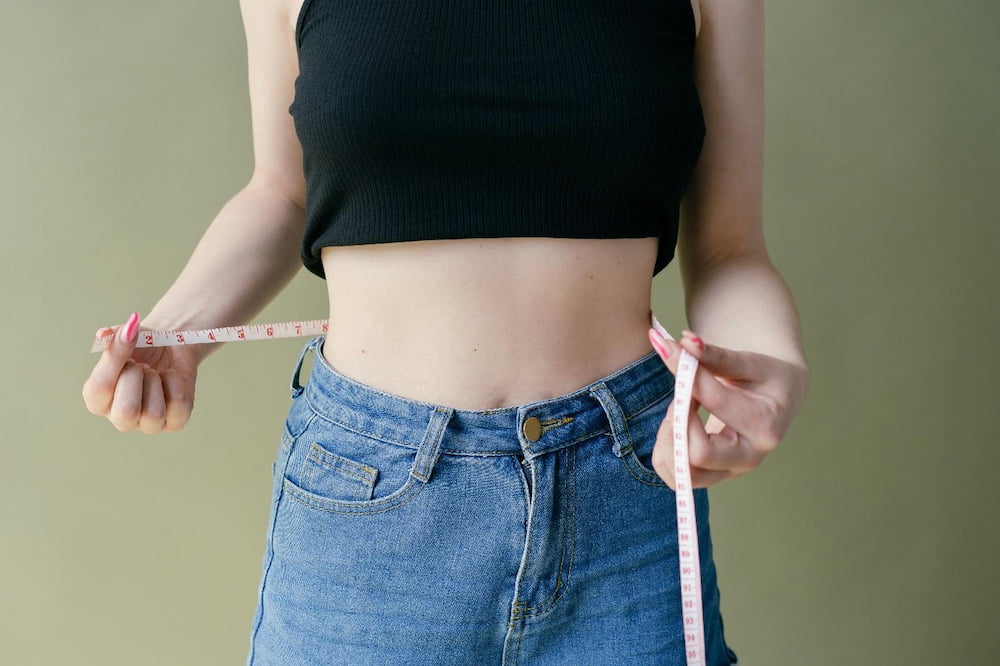
Liposuction is a popular form of plastic surgery that removes fat cells from a certain part of your body. The procedure has gained a lot of popularity recently and has overtaken breast augmentation and become the most popular form of cosmetic procedure in the world.
Liposuction, or body contouring, is a minimally invasive procedure used to remove fat. It can be performed on any body part, like the abdomen, upper arms, breasts, and buttocks. This procedure is mostly preferred by individuals who want to achieve a certain look, especially if dieting or exercise hasn’t worked for them. In this article, we cover all the important things you need to consider before getting liposuction.
Things To Consider Before Getting Liposuction
Just like any other surgical procedure, it is necessary to learn as much as you can about liposuction before you decide to get it done. This will help you decide whether the procedure is suitable for you and get an idea of what to expect. So, here are some important things to keep in mind before getting liposuction.
1- You might have to avoid physical intimacy for some time
Whether or not you can have sex after a plastic surgery procedure is a big question that comes to mind. However, people often hesitate to ask their doctors this important question. Even though liposuction is a minimally invasive procedure, you will experience some soreness and swelling afterward. And inflammation from liposuction often takes the longest to go away.
So, whether or not you can have sex after liposuction completely depends on your comfort and recovery. After the procedure, it is normal to experience some pain and discomfort. Your doctor will advise you to refrain from any rigorous physical activity, like sex, just for a couple of days. However, as soon as you feel comfortable enough, you can resume your sex life. However, it is recommended to keep it easy and light just to aid your recovery.
2- Choose the method you want
There are four types of liposuctions you can choose from:
- Tumescent Liposuction.
- Ultrasound Assisted Liposuction (UAL).
- Laser Assisted Liposuction (LAL).
- Power Assisted Liposuction (PAL).
All these methods have different procedures and also differ on the basis of how invasive each procedure is. Other than tumescent liposuction, most of these procedures result in lesser swelling and pain and may have a quicker recovery time as well. However, tumescent liposuction is the most common and preferred type of liposuction. You can discuss each procedure’s pros and cons with your doctor to help you make the right decision.
3- Not a suitable option for weight-loss
While this procedure is excellent for removing excess fat, it is not a weight-loss procedure. This is because liposuction is only suitable for people who are a little above their ideal body weight. And, it mostly targets those areas of fat which cannot be reduced with the help of exercise or diet.
4- Expect some bruising and pain
Some pain and scarring are an inevitable part of cosmetic surgeries. During the surgery, your doctor will administer a suitable form of anesthesia. However, as its effects start to wear off, you can expect to experience some pain and discomfort. But, this can be easily dealt with by taking an over-the-counter painkiller. You can also expect some bruising, swelling, or inflammation at the incision site.
Consequently, your doctor will advise you to rest for a few days and avoid strenuous activities like lifting weights or sports. Nevertheless, most people resume their normal life just a few days after their surgery, depending on how fast they recover.
5- Keep the risks in mind
Just like any other procedure, it is important to consider the risks of liposuction before getting the procedure done. Although liposuction is a relatively safe procedure with minimal risks, it is better to be safe than sorry.
Some risks of liposuction include bagginess, scarring, skin discoloration, or dimpling of the skin. You can talk to your surgeon to learn more about these risks and their chances to help you make an informed decision.
6- Determine your eligibility
Although liposuction is a popular cosmetic procedure, it is not suitable for everyone. The procedure is only suitable for healthy people who are just a little above their ideal weight. According to the American Society of Plastic Surgeons, people within 30% of their ideal weight are good candidates for liposuction.
Your doctor will also assess the condition of your skin to check if it’s elastic and firm. If not, the procedure might lead to skin dimpling, which can damage the results of the procedure.
7- You’ll need to maintain the results
It is important to consider that liposuction is not a permanent weight loss solution. If you want to achieve long-term results, you will need to work for it.
Normally, if you don’t exercise or maintain a healthy diet, you will start to gain weight. And the same will happen even after you get liposuction. So, it is important to exercise, eat healthy and take care of your overall well-being to maintain the results of your cosmetic procedure.
8- No smoking
Non-smokers and non-vapers are the ideal candidates for liposuction. However, if you do smoke, your surgeon will ask you to avoid smoking a few weeks before and after the procedure. This is because good blood circulation is essential for your recovery. However, the nicotine in cigarettes can restrict your blood flow. So, it is necessary to avoid smoking around the time of your procedure, as it can hinder your recovery.
Concluding Thoughts
Recent technology and medical advancements have made many things possible for us, like achieving our ideal body shape. And liposuction is the most popular form of plastic surgery used to reduce stubborn fat and help you achieve a slimmer look. However, before getting liposuction, it is important to consider all important factors. This will help you determine whether liposuction is the right choice for you and also give you an idea of what to expect before and after your surgery.
Read Also
- Top Trends Shaping the Future of Mental Health Care
 Mental health care is moving fast to meet daily human needs. People want direct care that fits modern life. Clinics respond by creating flexible options that make healing easier to reach. Providers look past rigid habits to give people solid care. From smart tools to body wellness, these changes help people find relief when life… Read more: Top Trends Shaping the Future of Mental Health Care
 - Full-Arch Dental Tourism: Why UK Patients With Severe Bone Loss Are Looking AbroadDental implants have become one of the fastest-growing segments of private dentistry. Within that market, one patient group behaves very differently from the rest: people who have been told they do not have enough upper jawbone for conventional implants. For these patients, the choice is rarely between one clinic and another. It is between a… Read more: Full-Arch Dental Tourism: Why UK Patients With Severe Bone Loss Are Looking Abroad
- Levels of Mental Health Care and When to Seek SupportMental health care can range from occasional outpatient appointments to 24-hour hospital treatment. The appropriate level depends on safety, symptom severity, daily functioning, medical needs, available support, treatment history and personal preferences. A licensed clinician should assess these factors rather than relying on a symptom list alone. Need help now? In the United States, call… Read more: Levels of Mental Health Care and When to Seek Support
- How to Choose a Shilajit Brand Based on the ResearchIn a randomized trial published in the Journal of the International Society of Sports Nutrition in 2019, 63 active men took 250 mg of standardized shilajit, 500 mg, or a placebo every day for eight weeks, and the benefit for strength retention after a fatiguing workout appeared only at 500 mg. For anyone choosing a… Read more: How to Choose a Shilajit Brand Based on the Research
- How to Incorporate Relaxation into Your Busy ScheduleFinding balance when you have a packed daily agenda often feels out of reach. Between work duties, family obligations, and personal projects, personal rest usually gets pushed to the bottom of the list. Small, intentional shifts in daily habits can help restore calm without requiring hours of extra free time. Continue reading to discover everything… Read more: How to Incorporate Relaxation into Your Busy Schedule